
Learn / Our Region
Our Appalachian Region
The wood begins with a landscape. Kentucky sits within overlapping geographic and forestry regions, where differences in terrain, soil and moisture support a varied hardwood resource. Understanding those differences helps explain both the trees growing here and the materials a wood buyer may encounter.
This is a path from landscape to forest, from species to wood, and from wood to a specific commercial requirement.
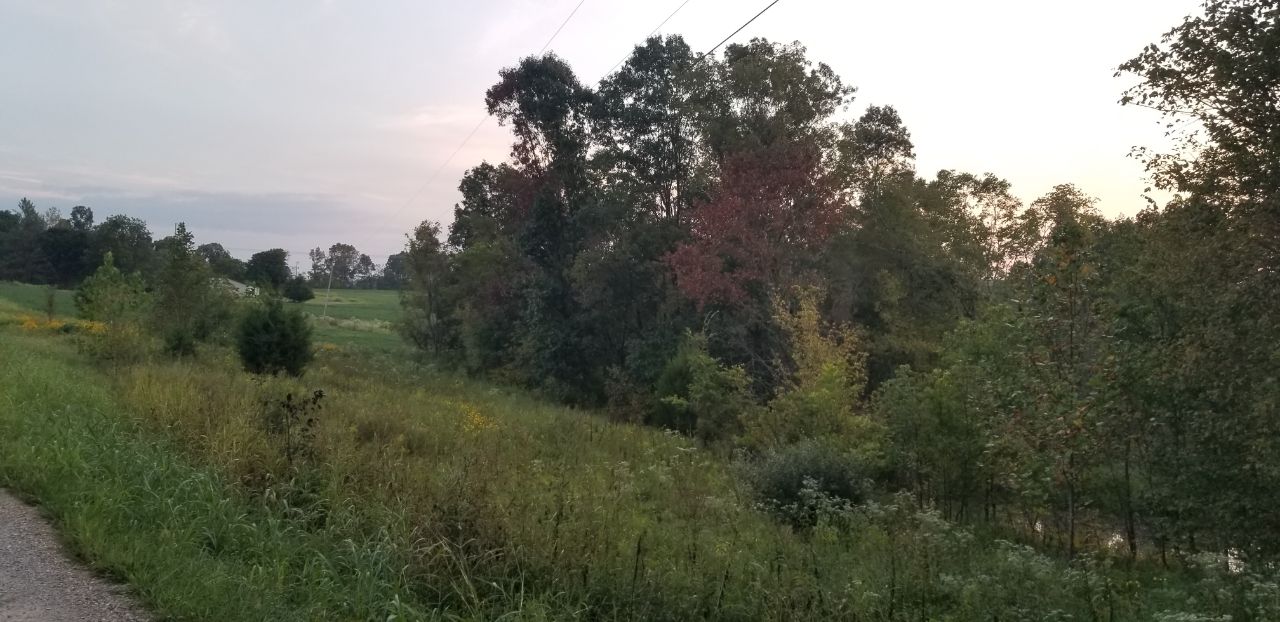
Kentucky in a Larger Hardwood Region
Eastern Kentucky belongs to the Appalachian landscape. That connection is important to our regional story, but Appalachia does not encompass the whole state. The Appalachian Regional Commission’s county-based service area is one administrative way to describe the region; it is not a forest boundary.
Statewide Kentucky forestry reports provide a different view: they describe forests across the Commonwealth, including areas beyond Appalachia. The Central Hardwood Region provides a broader ecological context, linking hardwood forests across varied parts of the eastern and central United States. Oaks and hickories are important components, alongside other hardwoods. Its boundaries are transitions in vegetation, not a company purchasing territory.
KY Wood Products primarily sources timber and wood material in Kentucky, while also working with suppliers in surrounding states when appropriate.
Where we source material, where we deliver to customers, and where a species grows naturally are separate questions. None is defined simply by the word Appalachian.
A Varied Forest Landscape
A forest changes as the ground changes. Uplands include ridges and slopes above the lowlands; sheltered coves are hollows within that terrain. River bottoms and lowland settings bring another combination of soils, drainage and flooding. A short distance across the landscape can lead to quite different growing conditions.
Across the Central Hardwood Region, oaks and hickories are prominent on many drier upland sites. Moist sites can support a greater share of trees such as yellow-poplar and maples. These are broad patterns, with mixed stands and considerable local variation. A forest community is an association of plants sharing a setting, rather than a uniform block of one tree species.
Why Different Trees Grow in Different Places
Water supply is more than annual rainfall. Soil depth and texture affect how much moisture roots can reach, while drainage determines how long water remains. A moist, well-drained site is different from ground that stays waterlogged.
Slope position and aspect—the direction a slope faces—affect exposure and moisture. Elevation and regional climate add another layer. Yellow-poplar illustrates the connection: it commonly grows well on sheltered lower slopes and coves with deep, moist, well-drained soils. Black walnut also benefits from deep, fertile, well-drained soils and generally performs poorly on very wet ground or dry ridges.
Site conditions help explain the possibilities. Light, competition and the history of a stand also influence which trees become established and persist. A native-range map cannot describe all of those conditions at an individual woodland.
Kentucky / Statewide inventory
Kentucky’s Forest Resource
The USDA Forest Service’s Forests of Kentucky, 2023 snapshot, published in April 2026, estimates about 12.38 million acres of forest land statewide. Its oak/hickory forest-type group accounts for 74.9% of that forest area. These are estimates from the inventory ending in 2023, not a count made in 2026.
Forest land is an inventory category that includes qualifying regenerating areas as well as standing trees. Timberland is a narrower category tied to wood-growing capability and reservation status. The acreage above is forest land. The oak/hickory percentage describes an area classification, not the percentage of individual trees that are oak or hickory.
These statewide measures establish the scale and character of Kentucky’s forests. They do not measure material available for an order.
Landscape to species
Trees of Our Region
These examples connect growing sites with the species library. Each profile follows the living tree through to its wood and uses.
White Oak
An upland oak with a broad range of sites; well-drained lower slopes can support good growth.
Yellow-Poplar
A useful example of the connection between deep, moist soils and sheltered growing sites.
Black Walnut
A tree whose growth illustrates the importance of fertile soils and good drainage.
From Tree to Useful Wood
Species identity is a starting point for understanding wood. Grain, density, strength, moisture behavior and other characteristics influence possible uses. Within a species, however, individual pieces still vary. Knots, grain direction, decay and other features matter when material is assessed for a job.
A useful product depends on matching the actual log or material to the intended specification. Dimensions and quality affect what can be recovered; sawing, drying when required, and further processing shape the result. A lumber requirement, a log buyer’s specification and a cooperage requirement can therefore call for different selections from the same broad forest resource.
The practical sequence is species identity, wood characteristics, material quality, processing and customer specification. A regional name alone cannot stand in for those decisions.
Forestry and Regional Work
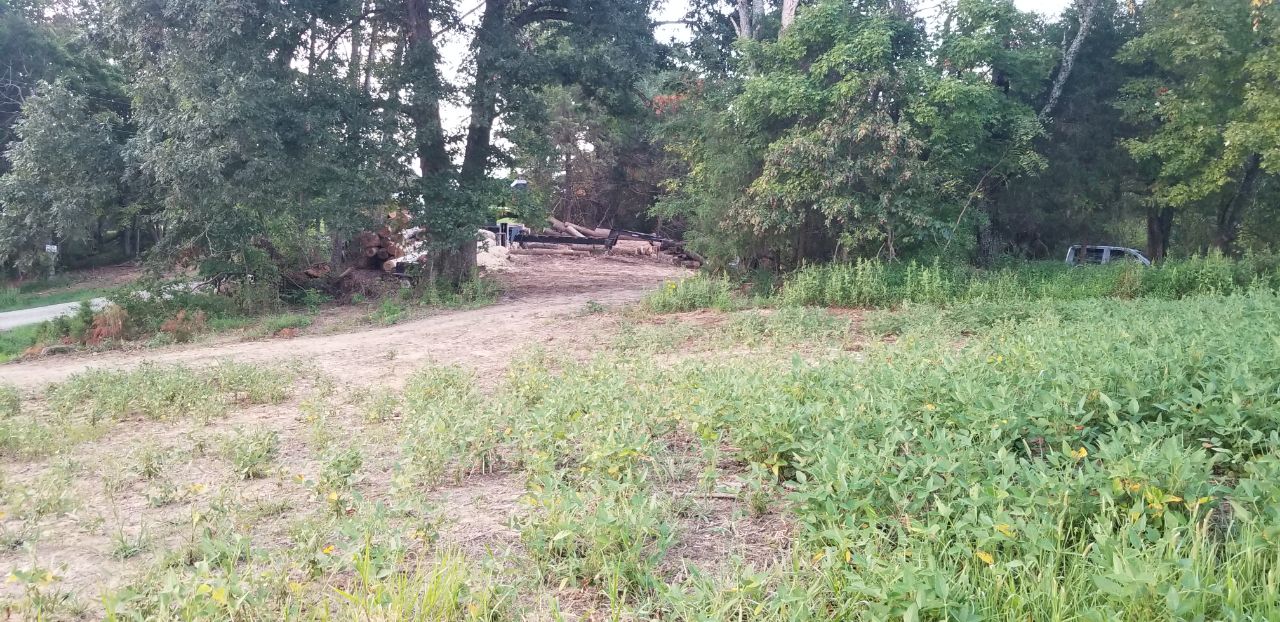
Forest products depend on connected work. Woodland owners and foresters make decisions about the resource; loggers harvest and move timber; sawmills turn suitable logs into sawn material. Other businesses dry, machine or assemble wood into products for further use.
The University of Kentucky’s 2024–2025 forest-sector reporting describes logging, primary and secondary wood manufacturing, pulp and paper, paper converting, and wood residue businesses. That breadth matters more here than a single economic headline: the standing forest is only the beginning of the path to a usable product.
For buyers, the connection is practical. Processing capacity and coordination between businesses help determine whether a material requirement can be met.
Availability Is More Than Range
A species can grow in the region without suitable logs being available when an order is needed. Some trees lack the required dimensions; some logs do not meet the necessary quality. Not every mill handles every species or specification. A species profile describes the tree and its wood, not KY Wood Products’ current inventory.
Commercial availability depends on species, dimensions, quality, processing, quantity and timing, together with the buyer’s requirements. Those details become especially important when a familiar trade name covers more than one botanical species or when the end use needs a particular material characteristic.
Use the species library to understand the material, then define the order: the intended use, acceptable species, size ranges, quality criteria, processing needs, quantity and schedule. That gives a sourcing discussion something concrete to work from.
Responsible Forest Resource Context
Forest use also involves decisions about soil, water and the next stand. Kentucky’s published best management practices address matters such as access roads and landings, disturbed-ground revegetation and streamside management zones. These are practical parts of forest-resource care.
The appropriate approach depends on the site and the work proposed. Woodland owners can seek forestry guidance when considering management and harvesting decisions. Public guidance explains responsible practice; it does not by itself certify a supplier or establish how any particular operation was conducted.
Continue learning
Explore the Trees
Continue into Appalachian Tree Species for identification, growing context and the characteristics of each wood.
Explore Appalachian Tree SpeciesSources / Further Reading
- Kentucky forest inventory — 2023 snapshot
USDA Forest Service · April 2026; inventory ending 2023
- The Central Hardwood Forest
USDA Forest Service / James S. Fralish · 2003
- Variation in Central Hardwood forests
USDA Forest Service / W. Henry McNab · 2011
- Wood Handbook
USDA Forest Service, Forest Products Laboratory · 2021 edition
- Kentucky’s forest-sector connections
University of Kentucky Forestry and Natural Resources · 2024–2025 reporting
- Kentucky best management practices
Kentucky Energy and Environment Cabinet · Undated; accessed September 2026
- Appalachian counties served by ARC
Appalachian Regional Commission · Current administrative listing; accessed September 2026